


Who Gives A Crap Bamboo Toilet Paper vs Kirkland Toilet Paper
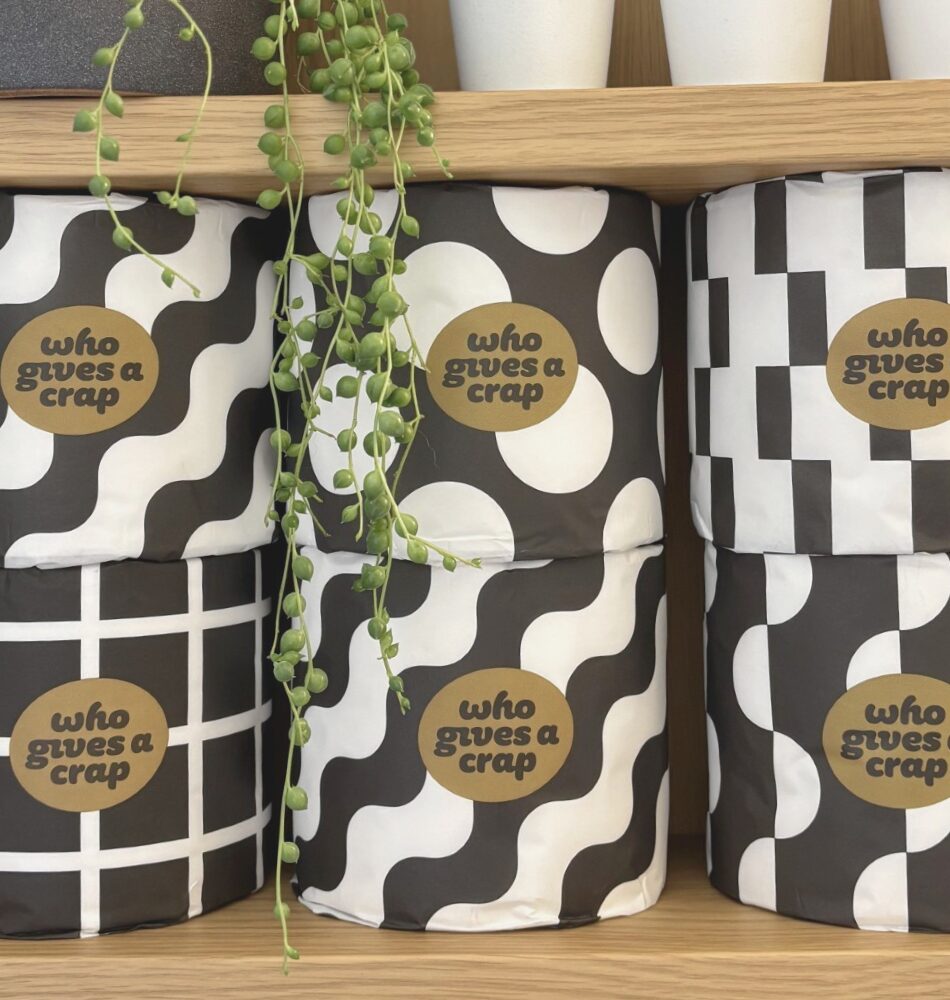
Bamboo toilet paper is having a moment- and not just in eco circles. More households are swapping traditional rolls for bamboo alternatives, drawn in by promises of sustainability, softness, and longer-lasting performance. But is it really worth the switch? When you compare bamboo toilet paper to regular options, the differences go beyond packaging- they show up in how long each roll lasts, how much you actually use, and what you end up spending over time. So we put two heavyweights in the ring: Who Gives a Crap bamboo toilet paper vs Costco’s Kirkland toilet paper.
- Who Gives a Crap Bamboo Toilet Paper 48-roll bundle
- Kirkland Signature 2-ply Bath Tissue 30-pack
We’re diving into longevity, cost-per-use, and real-life family scenarios so you can decide which roll reigns supreme 👑
Quick Snapshot (TL;DR for busy humans)
- Kirkland = cheaper upfront, widely available, solid performance
- Who Gives a Crap (WGAC) = lasts longer per roll, eco perks, may cost less per use
👉 Translation: WGAC is the marathon runner. Kirkland is the budget-friendly sprinter.
| Feature | Who Gives a Crap Bamboo Toilet Paper 48-roll bundle | Kirkland Signature 2-ply Bath Tissue 30-pack |
|---|---|---|
| 🌱 Source Material | Fast-growing bamboo | Virgin/recycled wood pulp blend |
| 🧪 Chemical Processing | Typically free from BPA, chlorine bleach, fragrances, dyes, and PFAS | May contain chlorine bleach, fragrances, dyes, or additional processing chemicals |
| 🌍 Environmental Impact | Renewable and lower-impact | Higher tree and water consumption |
| 📦 Packaging | Plastic-free paper wrapping | Bulk plastic packaging |
| 💧 Absorbency | Dense and efficient, often requiring fewer sheets | Soft and familiar texture |
| 🧻 Roll Longevity | Fewer bundle reorders throughout the year | More frequent restocks with smaller 30-roll packs |
| 💸 Upfront Cost | Higher initial purchase price | Lower upfront cost |
| 📅 Yearly Cost | Higher annual cost overall | More budget-friendly long term |
| 🏡 Best For | Eco-conscious and low-tox households | Families focused on value and affordability |

Roll Breakdown: Who Gives A Crap Bamboo Toilet Paper vs Kirkland Toilet Paper…How Many Sheets Do You Actually Get?
| Brand | Rolls | Sheets per Roll | Total Sheets |
|---|---|---|---|
| WGAC Bamboo | 48 | ~370 | 17,760 |
| Kirkland 2-ply | 30 | ~380 | 11, 400 |
👉First surprise: WGAC gives you ~56% more total sheets per bundle….🧻
Cost Comparison (Average Pricing)
| Brand | Bundle Price (CAD est.) | Cost per Roll | Cost per 100 Sheets |
|---|---|---|---|
| WGAC 48 Roll | $64 with subscription ($74 one time purchase) | $1.33 | $0.36 |
| Kirkland 30 Roll | $30 | $1.00 | $0.26 |
👉At first glance, Kirkland wins on price.
If your main goal is stretching your grocery and household budget as far as possible, Kirkland Signature is the cheaper option overall. Even though the rolls are almost the same size, Kirkland costs less per sheet.
That said, Who Gives A Crap isn’t really trying to compete as the “budget pick.” It’s more of a premium option for families who care about things like bamboo paper, less plastic packaging, and lower-chemical processing. So the higher price often feels more like paying extra for cleaner, eco-conscious choices rather than just toilet paper alone.

The Only Fair Way to Compare Toilet Paper (Hint: It’s Not Rolls)
Most comparisons start with “number of rolls.”
That’s like comparing coffee by counting mugs instead of ounces.
The only metric that matters is how much people actually use.
Realistic Toilet Paper Usage (Per Household)
Let’s use a typical real-life average:
~60 sheets per person per day
Typical monthly sheet usage:
- Family of 2: 3,600 sheets/month
- Family of 4: 7,200 sheets/month
First Glance: Typical Monthly Roll Usage for Families of 2 & 4
(Before Bamboo Adjustments)
This section shows the “straight math” of toilet paper use before any real-world habits or bamboo efficiency come into play. It’s based on a consistent baseline of 60 sheets per person per day, which helps estimate how many rolls a household would typically go through each month.
This gives a clean, apples-to-apples starting point for comparing Who Gives A Crap and Kirkland Signature under identical usage conditions- before we factor in differences in absorbency or how many sheets people actually use in real life.
👩👦 Family of 2 People
| Brand | Sheets per Roll | Rolls Used per Month | Bundle Longevity | Estimated Monthly Cost | Estimated Yearly Cost |
|---|---|---|---|---|---|
| WGAC Bamboo | 370 | ~9.7 rolls | ~4.9 months | ~$13/mo. | ~$156/year |
| Kirkland | 380 | ~9.5 rolls | ~3.2 months | ~$9.50/mo. | ~$114/year |
👨👩👧👦 Family of 4
| Brand | Sheets per Roll | Rolls Used per Month | Bundle Longevity | Estimated Monthly Cost | Estimated Yearly Cost |
|---|---|---|---|---|---|
| WGAC Bamboo | 370 | ~20 rolls | ~2.5 months | ~$26/mo. | ~$311/year |
| Kirkland | 380 | ~19 rolls | ~1.6 months | ~$19/mo. | ~$228/year |
Again, at first glance, Kirkland wins on price.
👉But hold that thought….
Real-Life Toilet Paper Usage vs The Math
Here’s where things shift.
Many people find they naturally use fewer sheets of bamboo toilet paper because it’s thicker and more absorbent. So while WGAC costs more upfront, it may last longer than expected in real life.
That means the price gap between the two brands becomes smaller once actual day-to-day family habits are factored in. It’s a little like buying concentrated dish soap: the bottle costs more, but you often use less each time.
👉Most households will use ~10–15% fewer sheets of bamboo toilet paper.
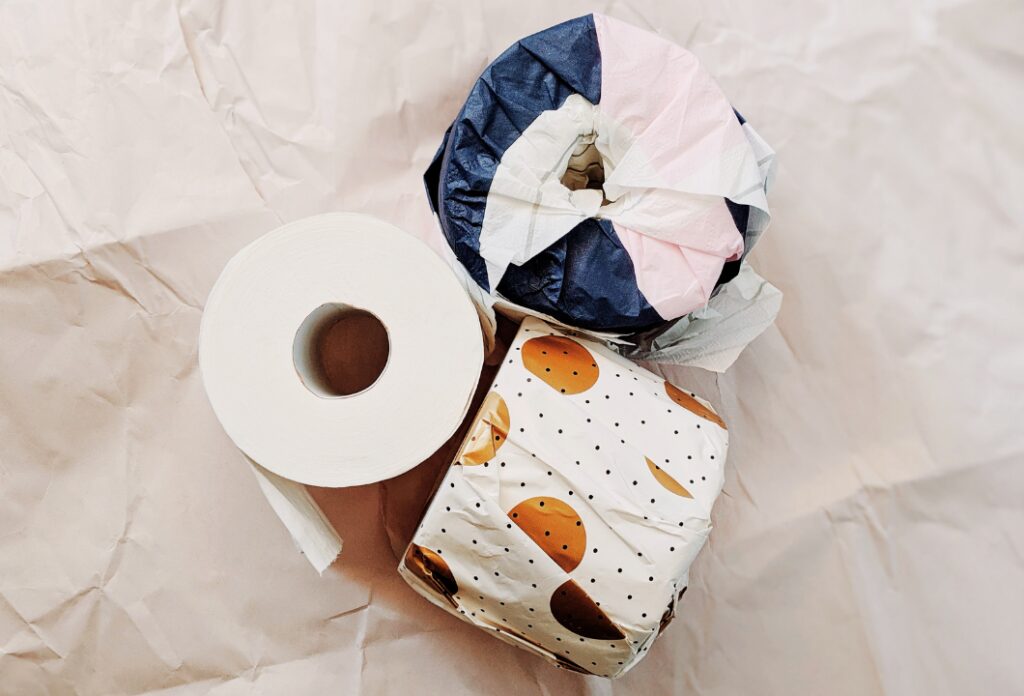
Family of 2 vs Family of 4: Real-Life Cost & Usage with Bamboo Factored In
Let’s now compare real-life usage for a family of 2 versus a family of 4 to see how household size changes both consumption and cost once bamboo efficiency is factored in.
👩👦 Family of 2 (Real-Life Usage)
- WGAC: ~8-9 rolls/month
- Kirkland: ~9 rolls/month
| Brand | Sheets per Roll | Estimated Rolls per Month | Bundle Longevity | Estimated Monthly Cost |
|---|---|---|---|---|
| WGAC Bamboo | 370 | ~8–9 rolls | ~5.5-5.8 months | ~$11.35/month |
| Kirkland | 380 | ~9.5 rolls | ~3.2 months | ~$9.50/month |
👉 WGAC lasts longer per bundle
👉 Kirkland still comes out slightly cheaper monthly
The real trade-off becomes:
• lower monthly cost vs.
• fewer reorders + eco-friendly materials
Estimated Yearly Toilet Paper Cost (Real-Life Usage)
| Brand | Monthly Cost | Estimated Yearly Cost |
|---|---|---|
| WGAC Bamboo | ~$11.35 | ~$136/year |
| Kirkland | ~$9.50 | ~$114/year |
👉 WGAC costs approximately $22 more per year for a family of 2.
Monthly breakdown:
- roughly $1.85 more per month or about the cost of:
- one not-so-fancy coffee shop drink ☕
- or a Costco hotdog 😅
Light Usage, Real Impact: Family of 2 Breakdown
For smaller households, a box of WGAC can last surprisingly long. Many couples and small families may only need to reorder a couple times per year, making the higher upfront cost easier to justify when spread across several months.
Kirkland, however, remains the clear winner for pure affordability, especially for households focused on keeping everyday expenses as low as possible.
For a family of 2, the choice often comes down to what you value most:
• Lowest overall cost → Kirkland
• Longer-lasting bundles, bamboo fibers, and eco-conscious features → WGAC
👉The good news? The difference isn’t as dramatic as many people assume. Based on realistic usage estimates, choosing WGAC costs roughly $22 more per year, or about $1.85 per month. For some households, that modest premium may be worth it for bamboo toilet paper, plastic-free packaging, and lower-tox processing.
👨👩👧👦 Family of 4 (Real-Life Usage)
| Brand | Sheets per Roll | Estimated Rolls per Month | Bundle Longevity | Estimated Monthly Cost |
|---|---|---|---|---|
| WGAC Bamboo | 370 | ~16.5–17.5 rolls | ~2.7–2.8 months | ~$24/month |
| Kirkland | 380 | ~19 rolls | ~1.75 months | ~$19/month |
👉 WGAC lasts about 1 month longer per bundle
👉 Kirkland remains the more budget-friendly option monthly
But in real life, the difference often comes down to:
- convenience
- sustainability
- and whether you’d rather buy toilet paper less often 😅
Estimated Yearly Toilet Paper Cost (Real-Life Usage)
| Brand | Monthly Cost | Estimated Yearly Cost |
|---|---|---|
| WGAC Bamboo | ~$24 | ~$288/year |
| Kirkland | ~$19 | ~$228/year |
👉 WGAC costs approximately $60 more per year for a family of 4.
Monthly breakdown:
- about $5 more per month or roughly the price of:
- one slightly fancy coffee shop drink ☕
- or one “Why did I drive to Costco just for toilet paper?” trip 😅
Where the Rolls Disappear: Family of 4 Edition
In larger households with children, toilet paper becomes a high-turnover household essential.
At higher usage levels, Kirkland’s lower cost per sheet starts to matter more because families go through rolls so quickly. Even if bamboo paper lasts slightly longer per use, larger families still burn through inventory fast.
That said, WGAC becomes less of a “splurge” than many people assume once the reduced sheet usage is considered. Families who care about sustainability, lower plastic waste, or a premium feel may still find the extra monthly cost reasonable within the bigger picture of household spending.
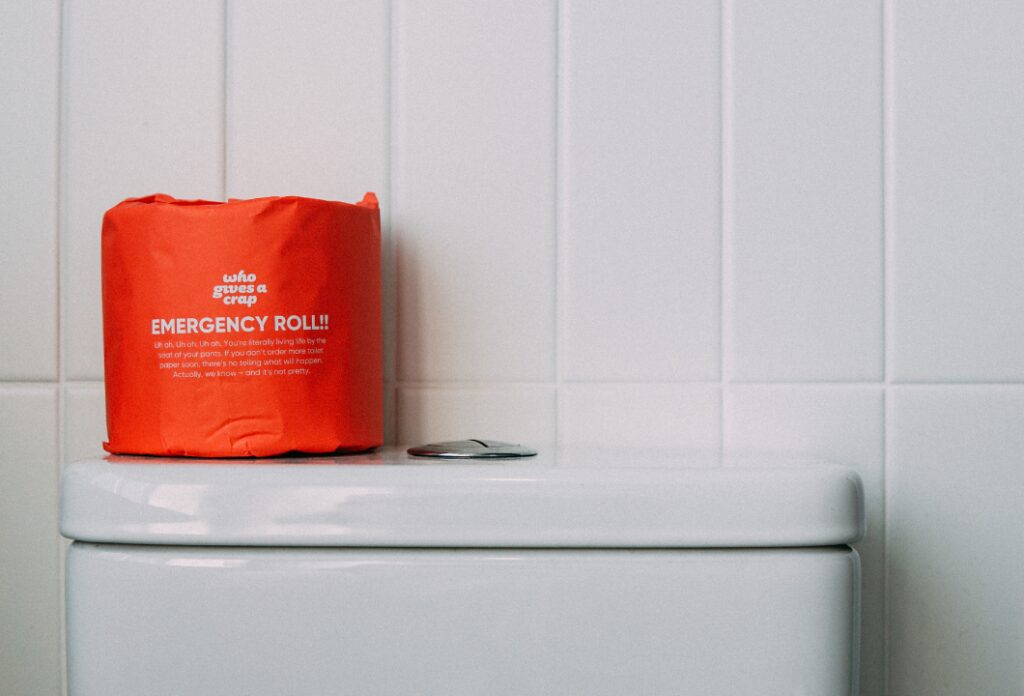
Monthly Cost Key Takeaway: Who Gives A Crap Bamboo Toilet Paper vs Kirkland Toilet Paper
No matter which brand you choose, the biggest factor is simply how many people are in the house. Once you go from a family of 2 to a family of 4, toilet paper disappears fast. It’s one of those sneaky household costs that doubles right along with family size 🧻🧻🧻🧻
One thing many families may like about WGAC is the giant 48-roll box. Even though it costs more upfront, you don’t have to think about buying toilet paper nearly as often. For busy households, that convenience alone can feel worth something.
Yearly Cost Key Takeaway: Who Gives A Crap Bamboo Toilet Paper vs Kirkland Toilet Paper
Looking at the full year instead of just one shopping trip really puts things into perspective.
For larger families especially, Kirkland can save a noticeable amount over time. Those smaller monthly savings slowly stack up in the background, kind of like finding loose change in the couch cushions month after month.
At the same time, some families may feel the higher yearly cost of WGAC is worth it if they prefer the feel of bamboo paper, want less plastic in the house, or are trying to make more environmentally conscious swaps little by little.
The BOTTOM line….😉
🌱 Choose Bamboo Toilet Paper (WGAC) if you value:
✔ Lower-tox, minimally processed materials (no BPAs, chlorine bleach, PFAS, dyes & fragrances)
✔ Plastic-free packaging
✔ Renewable bamboo fibers
✔ Fewer bundle reorders throughout the year
✔ Automatic subscription reorders (discounted cost per bundle- $64 CAD/bundle)
✔ Eco-conscious household products
💸 Choose Regular Toilet Paper (Kirkland) if you value:
✔ Lower yearly cost
✔ Familiar texture
✔ Affordable bulk purchasing
✔ Easy Costco pickup and convenience
✔ Budget-friendly household essentials
Who Wins the Bathroom Budget?
For a family of four, the decision becomes less about “which is cheaper?” and more about whether the added convenience, sustainability, and materials are worth the significantly higher yearly cost.
For a household of two, the extra annual cost is much more modest and may feel easier to justify within the budget.
Other Eco-Conscious Toilet Paper Options
Who Gives A Crap, among others, also offers a recycled toilet paper option. It is one of the more eco-friendly options on the market because it uses 100% recycled paper fibers instead of virgin trees or bamboo. It also comes in plastic-free packaging and is free from added dyes and fragrances, which appeals to many families trying to reduce unnecessary chemicals and waste at home 🌿
On the cost side, it’s usually priced lower than WGAC’s bamboo version, making it a more affordable entry point into eco-conscious household products. The large bulk bundles also mean fewer reorders throughout the year, which many busy households appreciate.
The main tradeoff is comfort and texture. Recycled toilet paper tends to feel thinner, rougher, and less plush than both premium bamboo and traditional “ultra-soft” brands. Some households also find they use slightly more sheets per trip compared to thicker bamboo paper, which can offset part of the savings over time.
Why People Love It:
- Made from 100% recycled fibers
- Plastic-free packaging
- Lower cost than WGAC bamboo
- No added dyes or fragrances
- Reduces demand for virgin tree pulp
Where It Falls Short:
- Less soft and cushioned feel
- Can feel thinner or rougher
- Some households may use more sheets per use
- Still more expensive than budget warehouse brands like Kirkland Signature
Bamboo & Recycled Toilet Paper: Other Brands Worth Considering
Bamboo TP:
Recycled TP:
In the end, even something as simple as toilet paper becomes part of a bigger question: what do we want surrounding us in our daily lives- convenience, values, sustainability, or a mix of all three?
That same question carries into our homes and workplaces.
If you’re ready to create a space that feels lighter, healthier, and more intentionally cared for, our Edmonton house and office cleaning services are here to help. We bring a gentle but thorough clean that supports the way you actually live and work.
👉 Step into a cleaner space- request a quote today.
Have you made the switch to Who Gives A Crap bamboo toilet paper?
We have🙋♀️
What are your thoughts on bamboo or recycled toilet paper? Let us know about your experience in the comments!
Leave a Reply

Your low-tox living destination for all things clean + green in Edmonton, Alberta
Read more about us

welcome to our blog
Hello!
For tips and updates follow us on Insta @FreshNestEdmonton
find us on


© 2020-2026 FRESH NEST GREEN CLEANING. all rights reserved.
cancellation policy
privacy policy
terms of use

get a quote
cleaning designed for every space
Freshening Your Nest Since 2020